
Font Size:

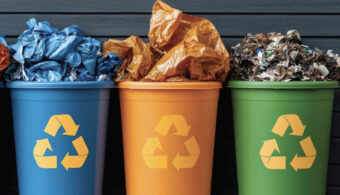 Plastic pollution has become 1 of the most pressing environmental challenges of our time. From oceans teeming with plastic debris to microplastics infiltrating the food chain, plastic’s impact on our planet is undeniable. However, simple actions can significantly reduce plastic waste and foster a more sustainable lifestyle.
1 of the easiest and most effective ways to reduce plastic use is to ditch single-use plastic bags in favor of reusable alternatives. Every year, billions of plastic bags are used globally, many of which end up in landfills, rivers, or oceans. Investing in durable, reusable bags made from cloth, jute, or other sustainable materials can significantly reduce one’s plastic footprint.
Tip: Keep a set of compact reusable bags in your car, purse, or backpack so you always have them on hand when you go shopping. Some stores even offer incentives for bringing your own bags, so this small change can also save you money.
Packaging waste, particularly plastic packaging, significantly contributes to environmental pollution. 1 simple way to reduce plastic waste is to purchase items in bulk rather than individually packaged quantities. Many grocery stores, health food stores, and farmers' markets offer bulk bins for everything from grains and spices to cleaning supplies.
Tip: Bring your own containers or reusable jars to fill with bulk items. This reduces plastic packaging and often allows you to buy exactly the amount you need, reducing food waste.
Plastic bottles, particularly those used for beverages, are 1 of the most ubiquitous forms of plastic waste. They take hundreds of years to decompose and contribute significantly to pollution in landfills and oceans. A simple solution is to switch to a reusable water bottle made from stainless steel, glass, or other eco-friendly materials.
Plastic wrap and food packaging are convenient but wasteful. Most of us are used to wrapping sandwiches, snacks, and leftovers in single-use plastic film or storing food in plastic containers. Instead, make the switch to more sustainable alternatives like beeswax wraps, silicone food bags, or glass containers.
Tip: Invest in reusable silicone bags and beeswax wraps for your kitchen. These items are durable, washable, and reusable. For leftovers, opt for glass containers— such as new or vintage refrigerator dishes—with airtight lids instead of disposable plastic containers.
Personal care items like toothbrushes, razors, shampoo bottles, and cotton swabs often come packaged in or are made of plastic. However, there are many highly adequate plastic-free options available today. Bamboo toothbrushes, bar soap, refillable shampoo dispensers, and biodegradable cotton swabs are some products that reduce plastic consumption.
Tip: Switch to bar soap instead of liquid soap in plastic bottles. Look for shampoos and conditioners in bar form, which often come with minimal or no packaging. You can also choose refillable deodorants or razors that last longer and are made from sustainable materials like bamboo or stainless steel.
Takeout containers, straws, and utensils are another contributor to plastic waste. While it’s not always possible to avoid plastic when eating out, there are ways to minimize your impact.
For instance, some restaurants and cafes offer alternatives to single-use plastic straws, such as paper or metal straws. You can also carry your own reusable containers for takeout or use a reusable coffee cup.
Tip: When ordering takeout, ask the restaurant to hold the plastic utensils and napkins, as you can use your own reusable alternatives
The average household uses a lot of paper towels, which are typically made from virgin wood pulp and come wrapped in plastic. By switching to cloth towels or rags for cleaning, you can significantly cut down on paper towel use and the plastic packaging that often accompanies it.
Tip: Keep a stash of washable, reusable cloth napkins, dishcloths, and cleaning towels in your kitchen and bathroom. You can wash and reuse them, reducing the need for paper products. In addition to being eco-friendly, this switch also saves money in the long run.
Unless they’re aluminum, toothpaste tubes aren’t recyclable. Thankfully, there are now a variety of plastic-free alternatives to these products.
Tip: Look for toothpaste in aluminum tubes, glass jars, or toothpaste tablets in eco-friendly packaging.
Buying secondhand is a great way to reduce your plastic consumption and your overall environmental impact. Many secondhand items—such as clothing, furniture, and electronics—are sold without excessive plastic packaging. Recycling and upcycling materials that you already have can also help reduce the need for new plastic products.
Tip: Visit secondhand stores, thrift shops, and online marketplaces to purchase items that you would typically buy new. You can also repurpose old plastic containers for storage, gardening, or organizing.
Reducing plastic use doesn’t have to mean making drastic changes overnight. Even small steps can add up to a big difference. By making conscious choices in our everyday lives, from switching to reusable bags to choosing plastic-free personal care products, we can significantly reduce the amount of plastic waste that ends up in landfills and the environment.
While the plastic pollution crisis is undoubtedly a global challenge, the power to make a difference lies in the actions of individuals, communities, and businesses. The next time you reach for a plastic item, ask yourself if there’s a more sustainable alternative. Each small action contributes to a healthier planet—and that’s something worth striving for.