Starting Monday, September 15, 2025, our Wewahitchka office will be located in a temporary location (637 Highway 22) while our new headquarters office is constructed. We look forward to continuing to serve you during this transition. Thank you for your patience and support as we build a new, improved space...
Starting Monday, September 15, 2025, our Wewahitchka office will be located in a temporary location (637 Highway 22) while our new headquarters office is constructed. We look forward to continuing to serve you during this transition. Thank you for your patience and support as we build a new, improved space for our members! Same friendly staff, same reliable service - just across the street!
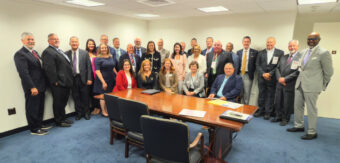
Florida electric cooperative leaders meet with Senator Ashley Moody to discuss key industry issues.
Each April, leaders from electric cooperatives across the United States gather in Washington, D.C., to advocate for common co-op issues and improve service to consumer-members.
The National Rural Electric Cooperative Association organizes the event and leads informational sessions, preparing co-op leaders to discuss federal issues the electric cooperatives are battling.
Gulf Coast Electric Cooperative sent John Bartley, Jimmy Black, and Dwight Van Lierop to join other co-ops from around the state to visit with legislators and their staff and attend informational sessions.
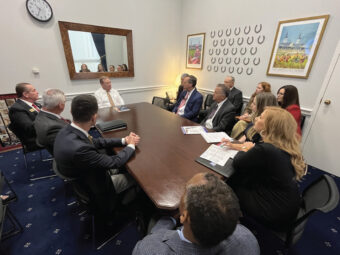
Florida electric cooperative leaders meet in Washington, D.C., with U.S. Rep. Neal Dunn at the head of the table. GCEC Board President Dwight Van Lierop sits on the left side, center; CEO John Bartley is on the right, next to Dunn; and Board Secretary/Treasurer Jimmy Black sits along the wall behind Bartley.
John, Jimmy, and Dwight met with Congressmen Neal Dunn and Jimmy Patronis, as well as Sens. Rick Scott and Ashley Moody, to discuss issues such as the importance of the Federal Emergency Management Agency and how electric co-ops rely on reimbursements after an emergency to keep rates low.
Co-ops encourage congressional leaders to oppose policies that would raise electricity costs for our consumer-members and increase the risk of blackouts.
Co-op leaders are continually advocating for our communities on the importance of safe, reliable, and affordable electricity.
What Are the Issues?
Co-ops support the FEMA Loan Interest Payment Relief Act to reimburse interest expenses incurred while waiting years for FEMA to reimburse disaster-related power restoration expenses. Florida electric cooperatives have paid more than $12,000,000 in interest in recent years while waiting for FEMA reimbursements.
Permitting Reform is needed, as the overly bureaucratic federal permitting process imposes unreasonable timelines and drives up costs for essential infrastructure projects needed for Florida’s continued growth.
Rural Utilities Service Loans and Elective Pay energy taxes are 2 programs that assist electric co-ops investing in the electric infrastructure needed to meet our community’s future energy needs.
Supply Chain issues continue to make it difficult and expensive for electric cooperatives to obtain materials and equipment needed to keep the lights on.